

You have the job, you have the visa, and now you actually have to move countries. It’s incredibly daunting and emotional. But also so exciting!
My top tip: START PACKING UP AS SOON AS YOU CAN.
You’ll think: I only leave in 6 months. I live in a small flat now. I don’t have that many things. I’ll just store it all. Oh, I can pack it all in a week.
No, you can’t. Trust me.
We had a few months to prepare. We didn’t ship anything to the UK – we each came with suitcases – so I won’t cover shipping in any way (as I also still don’t have a clue what it entails).
Why didn’t we ship anything?
Renting involved a strict referencing process, which made it very difficult to secure accommodation while we were still in South Africa, so we didn’t know where we would be staying. We also weren’t very attached to any of our furniture. UK homes are generally smaller, so most of it wouldn’t have fit anyway (and no, your massive Coricraft couch won’t even fit through the front door, let alone up the staircase). Finally, it would just have added so much more admin, logistics, and stress to an already stressful situation.
How did we go about organising our belongings?
We sorted everything into four main categories:
- Sell or donate
- Pack in suitcases for immediate travel
- Send later (our so-called “NEXT bins”)
- Long(er) term storage
We immediately started making a list of items that we would be selling. Our preferred solution was to sell as many items as possible to the same person, and we lucked out – the family that moved into our Sitari home was willing to take over the majority of the big appliances (fridge, washing machine etc.) and furniture.

We went through all our items and divided them, firstly into donate/sell/give away versus keep (and we re-reviewed these items numerous times!). We advertised some items on our local estate groups and sold whatever we could. The piles for donation were delivered as and when we could (thank you to my lovely mother-in-law for helping with this!). After that, we separated what was left into the remaining three categories mentioned above. This process was difficult – you want to take what you can and have your comforts with you, but you also have to be realistic. There isn’t much space for sentiment in this process, and it was really hard.
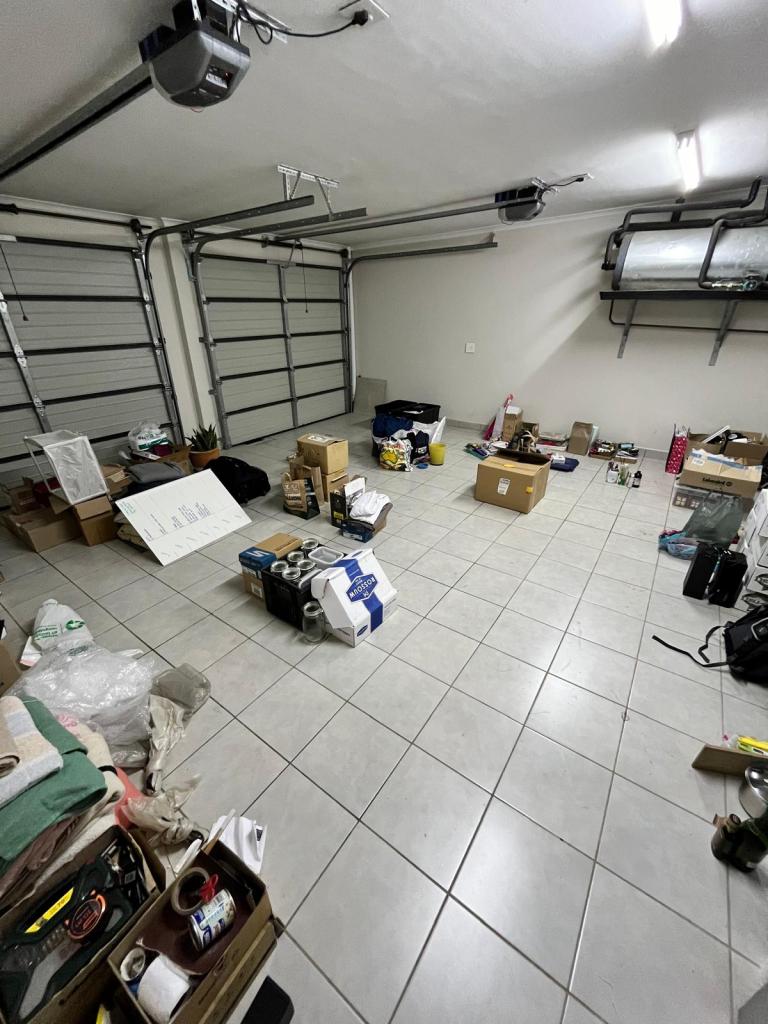
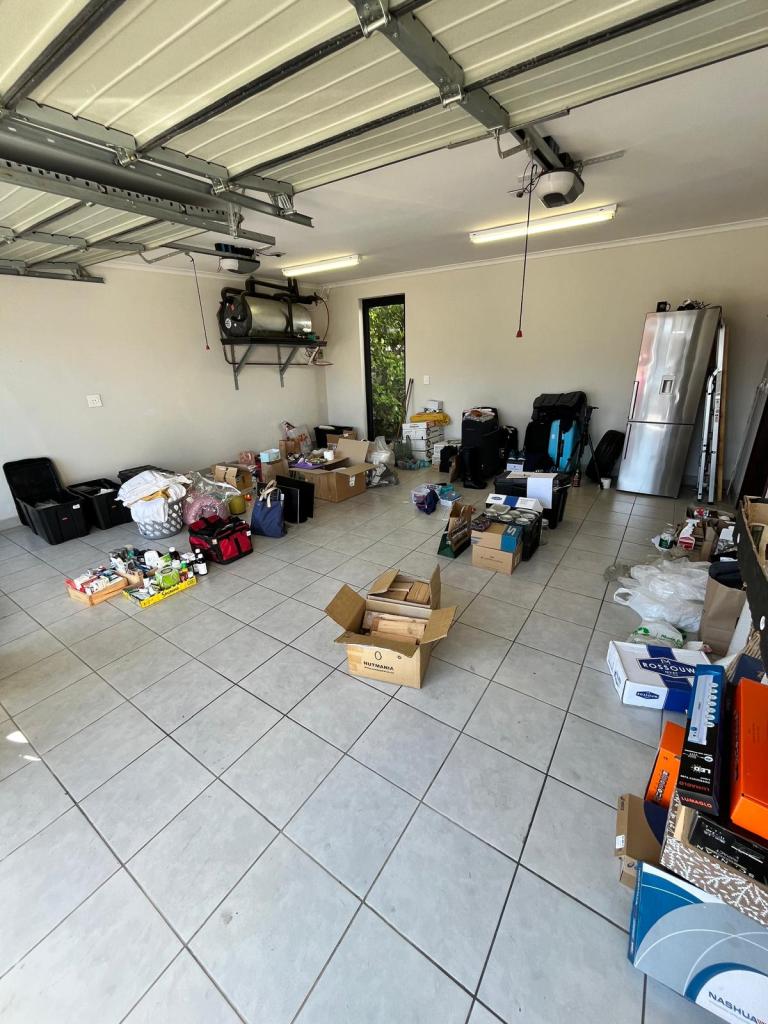

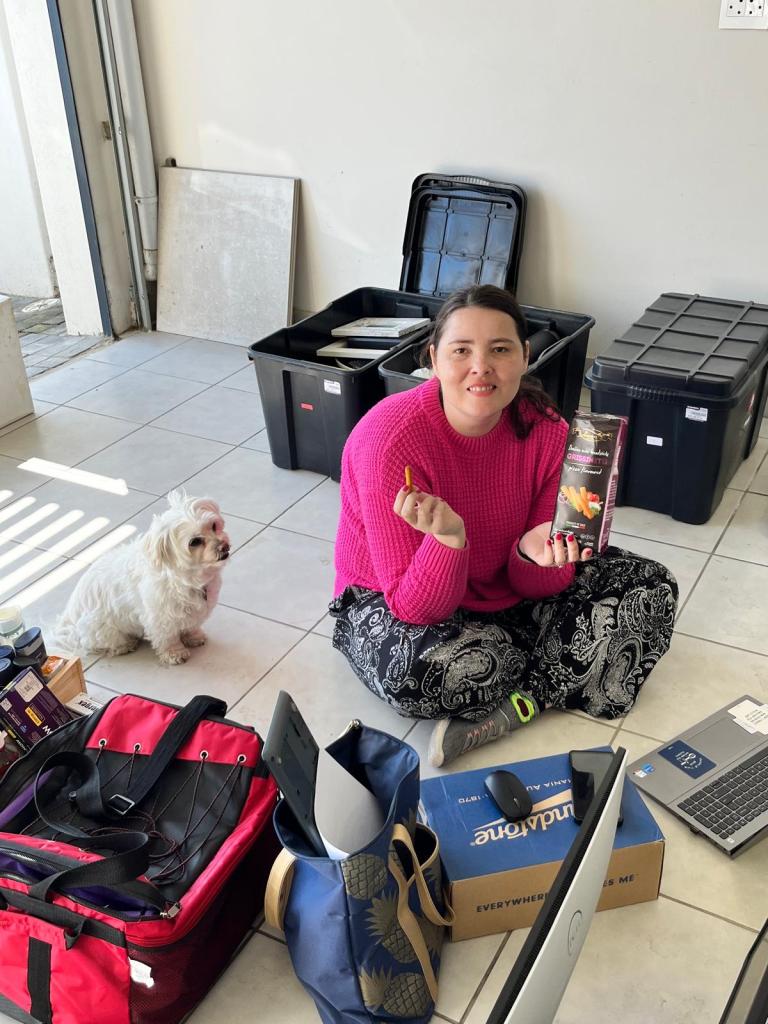
Items we wanted to get later were put into boxes that were easy to access – we’re storing our stuff at my mother-in-law’s and wanted to make it as simple as possible to retrieve something when we had the opportunity to bring it over.
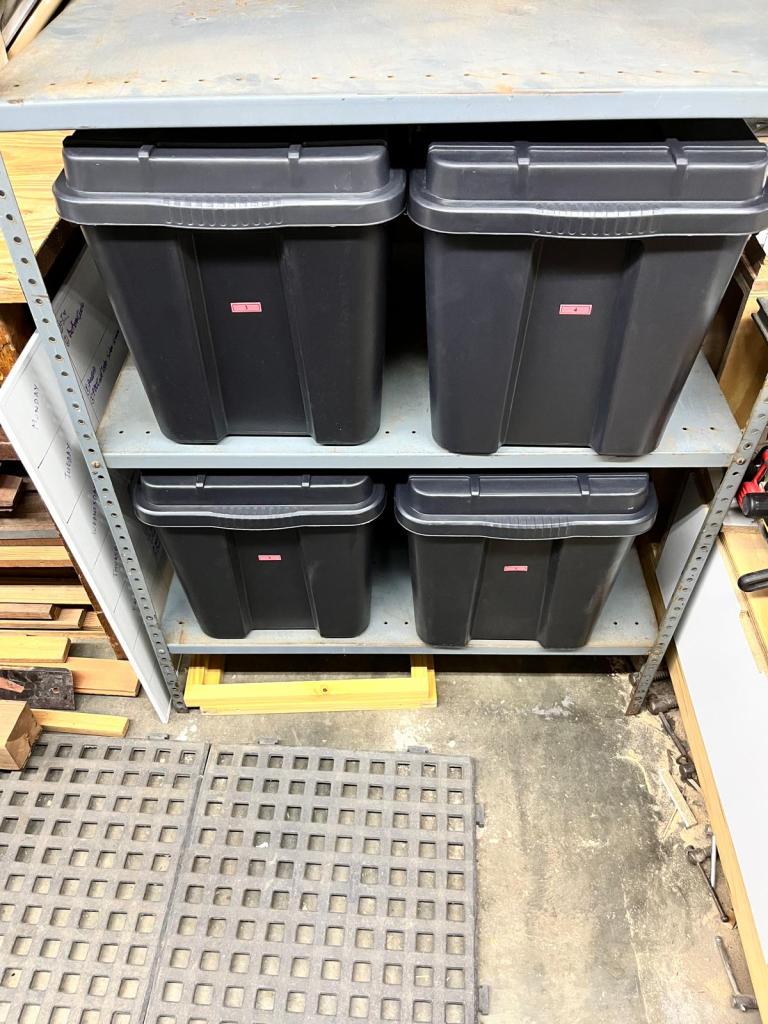
We bought large black tote bins for items that we would be storing for a longer period.
We also created an inventory spreadsheet and listed each item that went into a box/bin. Tip: number the boxes/bins and be very descriptive – I had a “light blue striped top” that I could not picture when reading the list months later – so even add a pic if you can, especially for clothing items.

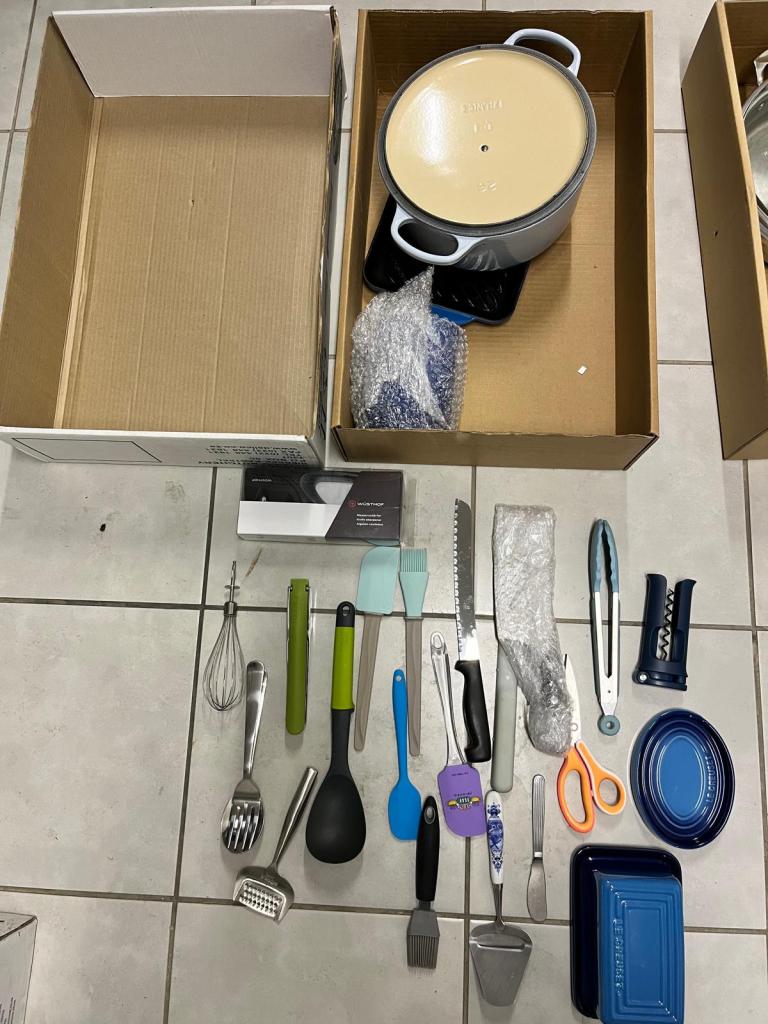
Depending on the season you arrive in, pick clothes accordingly and sparingly. You don’t need 5 winter coats – 2 will suffice – and with the charity shops here your closet fills up in no time. Be picky with shoes: they must be comfortable with sturdy soles, especially for winter. Don’t bring your entire wardrobe. Also worth noting: the UK winter is not like the SA winter. Your beloved K-Way puffer jacket is rather useless here (although mine was fine for 99% of winter – but you do need something a bit more rain resistant). You’ll be able to find good bargains if you look around.
Be selective with the home items you bring – especially when you’re only coming with suitcases. Space is limited and subject to weight restrictions, and it fills up fast. Pick some of the most sentimental and useful items, store the rest to bring over later (or ask family to bring when they visit!). With shops like IKEA, Home Bargains, and The Range in the UK, you don’t need to bring everything. My biggest nemesis was all my cosmetics – I gave so much away.
How many suitcases did we have?
AM came over before I did as he had an employment start date in mid-September ’24. We knew he would be returning to SA at the end of October for our wedding, so we had some luggage allowance to our advantage. He came with 2 full suitcases that included some kitchen basics (mugs, a single pot, cutlery), other home items, and clothes. Returning with Turkish Airlines allowed him to take two suitcases, which he essentially took back to SA empty. He was then able to bring more items with him on his return to the UK after the wedding.


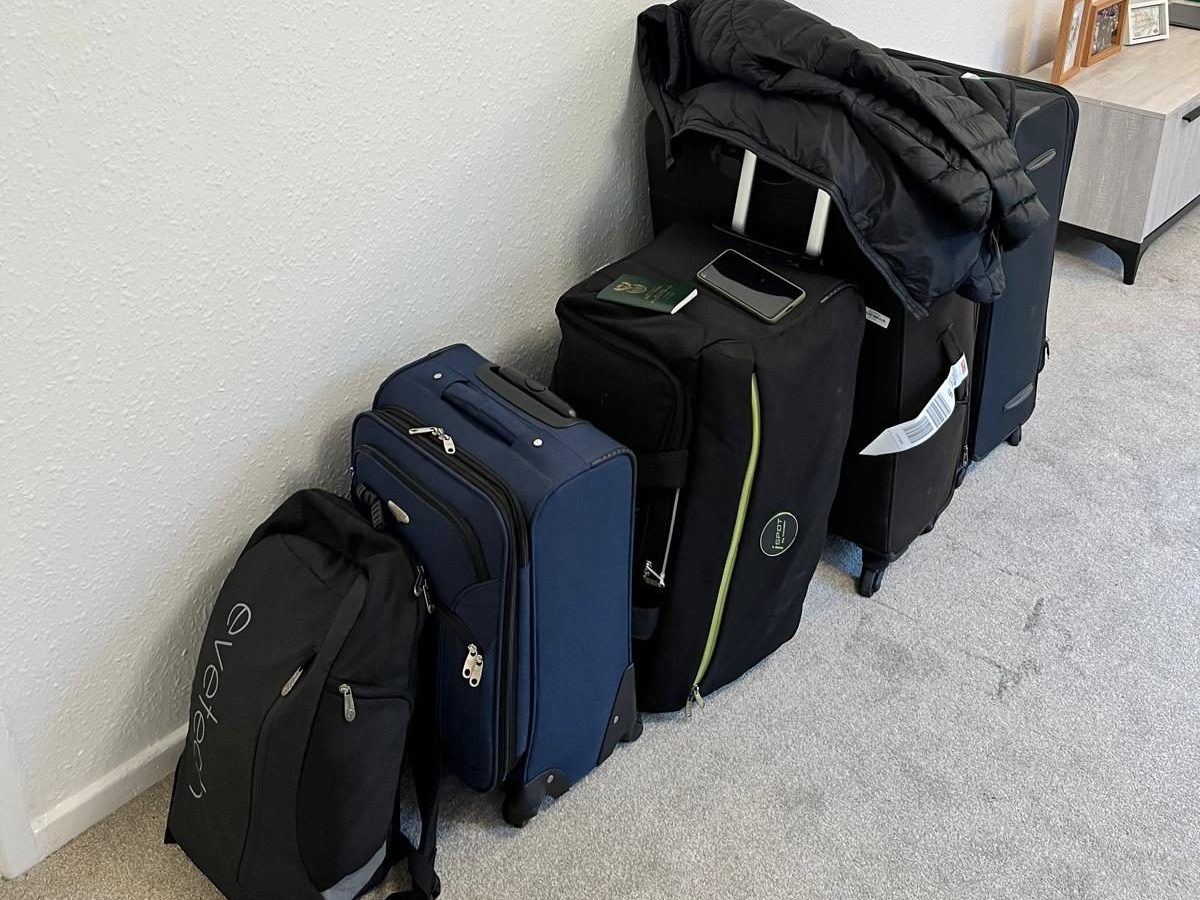
I arrived in mid-November with Emirates, with a 2-suitcase allowance packed to the brim as well as an additional suitcase. I also had a hand-luggage suitcase and a backpack. I could barely walk with everything. This is the only time we would advocate taking a longer/indirect flight route – the luggage allowance is much more generous – but paying extra for suitcases on a direct flight is certainly an option.
My cousin and her family visited the UK in December ’24 and were kind enough to bring an extra suitcase with them. We pre-booked an additional suitcase on her ticket and I pre-packed it before I left (with a very clear list of what was inside). There was even a massive Le Creuset pot in there!
In May this year, my sister came to visit and brought some more of our items (plus some snacks…).
Next, here are a few extra things to keep in mind. This isn’t a complete list, just some rapid-fire reminders that are easier to sort out while you’re still in South Africa than after you’ve left (unless you’re willing to spend a lot of money).
Driver’s license
Swapping your valid SA driver’s license for a UK license is one of the first things you should do when you arrive (you can drive with your SA license for 12 months). We’ll cover this in a future post, but it’s worth mentioning the Driver’s License Confirmation Letter, as it now seems to be a requirement for South Africans. We’ve seen many, many posts where individuals submitted their application to swap their license here and then received a request for this letter. It essentially confirms that you have an SA driver’s license.
Get this letter before leaving SA, as you need to send the original to swap your license, and the RTMC only issues physical letters that must be picked up in SA. (You can arrange it from the UK, but someone will have to collect it and courier it to you at an insane cost.) Also, make sure your license is still valid – it just reduces the admin load (and while you’re at it, check your passport again too).
Bank accounts (UK)
AM’s employer needed UK bank account details to set up payroll before he arrived, but most (all?) traditional high-street banks (Lloyds, Barclays, HSBC, NatWest, etc.) require proof of address and some form of UK identification to open an account. Since you usually don’t have either when moving to the UK on a Skilled Worker Visa, it’s a bit of a chicken-or-egg situation.
Monzo or Revolut to the rescue! They are digital financial service providers that offer services akin to banks and helped us bridge the gap until we were settled enough to open traditional bank accounts. AM got a Revolut account and used that for the first few weeks until he opened an account with Lloyds (which included some great benefits like free Disney+). I followed the same approach with Revolut and Lloyds, and had no problems with either.
Also note that although you can initially use your SA cards for payments, don’t rely on this. You need the ability to reliably perform bank transfers of large amounts (in ZAR terms) for things like rental deposits and the first month of rent. The South African Reserve Bank regulations for foreign spending still apply to your SA cards, so make sure you stay within the limits while settling in. When we did it, the annual discretionary limit was R1 million per calendar year, while the transaction limit was R50 000 (and given the ZAR/GBP exchange rate, R50k might be easier to reach than you think).
Bank accounts (South Africa)
Get a Power of Attorney in place for your SA bank accounts – this varies from bank to bank. We each gave a family member power of attorney until we feel ready to close our accounts completely. Also simplify your bank products if you can – you won’t be using them as much once you have UK accounts, and you may just be paying high fees unnecessarily. If required, remember to activate your cards for international use before leaving.
South African cellphone number
Unless you formally emigrate and close all accounts in South Africa, it’s likely you’ll still have accounts or providers that require your SA phone number to help you log in securely (for 2FA/MFA). This is one of the most frequent issues we’ve seen on social media: people needing access to their SA numbers to receive OTPs, etc.
Certain institutions allow you to disable these features (not recommended) or replace them with static pins or email-based authentication (also not recommended). A more secure and practical solution is to keep access to your SA number in the UK through roaming. This can get expensive if you’re on a contract with monthly fees, but there’s a low-cost solution: move to prepaid and enable SMS-only roaming. That way, you can still receive authentication text messages while interacting with SA financial institutions, without monthly fees or roaming charges for calls/data.
Here’s what we did:
- AM was on a prepaid CellC package, but CellC roaming in the UK was limited to contract customers. Vodacom, however, supports roaming in the UK for prepaid customers. So AM ported to Vodacom in July ’24 to ensure everything was working before departure. SMS roaming can be enabled/disabled in the Vodacom app or via an SMS that can only be sent while in SA. So it’s easiest to sort this out before leaving.
- I was on a Telkom contract with around 3 months left. I didn’t want to have a monthly obligation to Telkom, and I didn’t want to change my number, so I settled the balance and penalty to cancel the contract and move to prepaid. The roaming info on Telkom’s website was inconsistent, so I didn’t want to risk it. I also ported to Vodacom and enabled SMS roaming before leaving.
We keep our Vodacom SIM cards in old Android phones and send a monthly SMS (R1.75, less than 8p) to keep the numbers active. While researching, we couldn’t get a conclusive answer from Vodacom about how often you need a paid transaction to keep the number active – some said 30 days, others 80. So we are playing it safe with a monthly reminder. We usually just text each other. Remember to add airtime before leaving – we loaded about R100 each, which should last a long time. You can also top up via SA banking apps or Vodapay while in the UK.
This isn’t a long-term solution, but for now, while we still have some interests in SA, it’s a low-cost way to avoid a lot of admin. While sorting out medical aid and tax admin, we were very grateful to still have our SA numbers.
Vehicles
I sold my car – I loved my Ecosport and I’m still a little sad about letting it go. But it just didn’t make sense to keep a car we weren’t using. My sister drove it for a bit while we tried to sell it privately, but in the end we used a service provider to finalise the sale.
AM has been fixing and selling his car too.
And of course – don’t forget to cancel your vehicle insurance once the car is gone.
Retirement products
I paused contributions to my retirement annuity until I have better clarity on whether/when I’ll be working again. Future contributions will also depend on my UK pension situation. Check with your provider if they allow you to pause, and for how long, and set reminders to reactivate in time.
Medical aid
This one is tricky and very provider-dependent. I moved onto AM’s medical aid (Discovery) after we got married. Discovery has a concession that waives late-joiner penalties if you return to SA within 5 years, so we chose to terminate our membership formally, since we have NHS provision here from the moment we arrived.
The other option would have been to downgrade to the cheapest plan and keep paying until we chose to return (with the option to upgrade later). But for us, that didn’t make financial sense. If your provider doesn’t offer such a concession, cancelling when you leave means you’ll be subject to late-joiner fees and waiting periods if you rejoin later. Do your research early!
Looking back, this part of the move was probably the hardest – saying goodbye to our things, making tough decisions, and trying to plan for a life we couldn’t quite picture yet. But we got through it, suitcase by suitcase, and if you’re preparing for your own move, you will too.
In my next post, we’ll share what came next: the whirlwind of arriving in the UK, figuring out accommodation, and starting to piece together a new “normal.”
This post is based on our personal experience of moving from South Africa to the UK — it’s not professional advice, just what worked for us.

 RedLipsRedNails
Don’t forget about sorting your taxes out in South Africa. South Africa taxes you on your world-wide income, which means if you haven’t notified SARS and provided them with the sufficient documentation, you may be taxed in South Africa on your UK income and assets. You can read a bit more here: https://www.finglobal.com/2024/07/15/financial-emigration-south-african-expat-tax/
LikeLike
Very true! I purposefully left SARS out for now, as it’s so complicated and a one liner wouldn’t suffice! Would love to do a post on it in future! Thank you for the link!
LikeLike